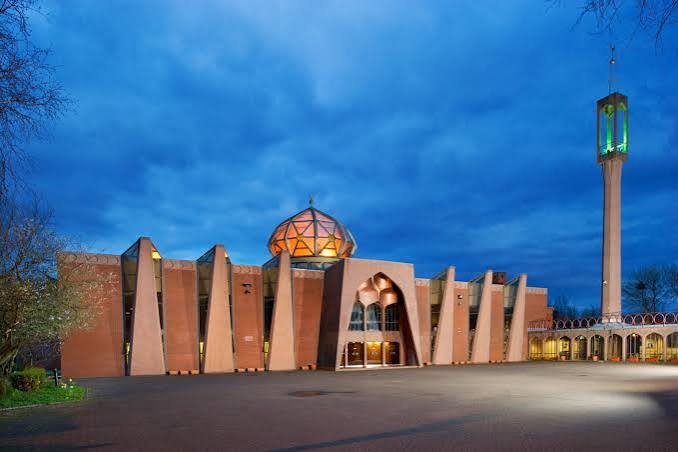
A mosque in south-east London has challenged an official warning issued by the UK Charity Commission over sermons delivered at its premises, arguing that the regulator’s action raises concerns about religious freedom and the right of Muslim institutions to express solidarity with Palestinians.
The Lewisham Islamic Centre said it was seeking legal advice following the warning, which accused the charity of misconduct and/or mismanagement over two sermons that the regulator described as “inflammatory, divisive and not in the charity’s best interests”.
In a statement issued on Wednesday, the centre said the case went beyond its own operations, questioning whether Muslim institutions could fulfil their religious and charitable responsibilities without facing penalties for expressing solidarity with Palestine, conducting established forms of Islamic worship or addressing issues affecting their congregations.
The centre also argued that the regulator’s intervention amounted to an attempt to scrutinise and restrict legitimate religious expression.
One of the sermons under scrutiny was delivered in October 2023 by Imam Shakeel Begg, following the Hamas attacks on Israel. During the sermon, Begg spoke about Palestinian suffering at the hands of “the oppressors and the Zionists”.
He also reportedly described celebrities, including Justin Bieber and Kylie Jenner, as “sick”, apparently referring to their public support for Israel.
Another sermon, delivered in August 2024 by Imam Ashraf Dabous, addressed the riots that followed the killing of three children in Southport. Dabous claimed that those involved in the riots were manipulated by “Zionists” and supporters of Israel, and referred to a “Zionist agenda”.
The Charity Commission did not specify which particular remarks prompted its warning.
The regulator said its investigation found misconduct and/or mismanagement connected to, but not limited to, the two sermons hosted by the centre. It also identified a breach of trust relating to the charity’s handling of the events.
Under the warning, issued on 20 October 2026, the centre is expected to review and implement a suitable policy for managing events and speakers at its premises.
The Commission also directed the charity to ensure that activities conducted at its premises further its charitable objectives, benefit the public and do not unnecessarily expose its reputation to risk.
It warned that failure to address the identified shortcomings could result in further regulatory action. The warning will remain on the charity’s public register for one year.
However, the centre disputed the regulator’s position, arguing that Friday sermons are an integral part of Islamic worship and should not be treated as ordinary public speeches.
It said the case raised questions about whether a Muslim charity should face regulatory sanctions for allowing imams to pray for Palestinians experiencing death, destruction and oppression, while addressing issues of concern to their congregations.
The centre also maintained that peaceful advocacy for oppressed people and the expression of religious beliefs should not be grounds for charitable penalties.
It urged other organisations to support a united challenge to the Commission if it decides to pursue legal action, saying the matter has wider implications for religious freedom.