
United States officials have acknowledged changes in Nigeria’s approach to addressing religious violence following its designation as a Country of Particular Concern (CPC), but warned that continued attacks show more action is needed.
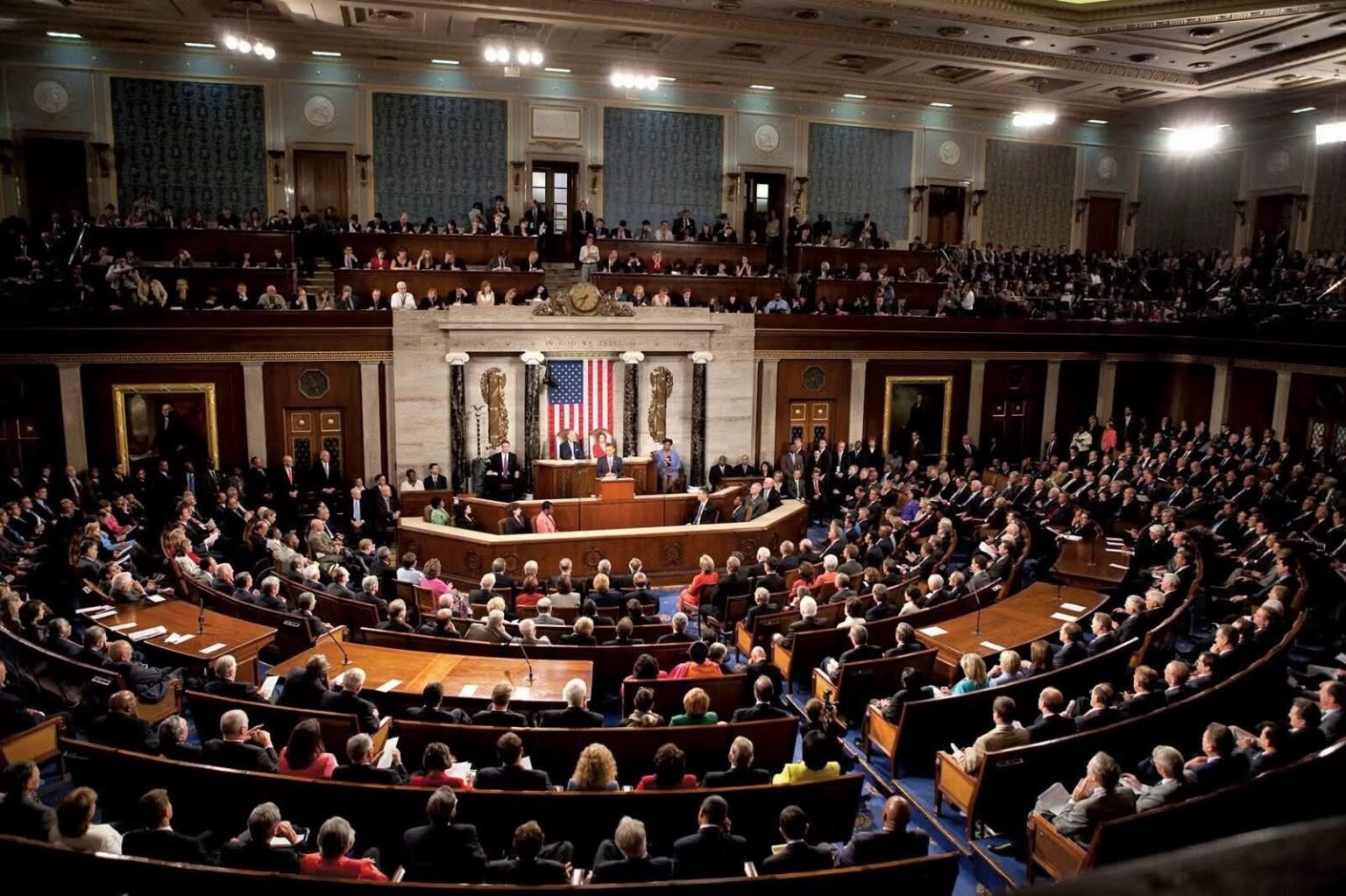
The officials made the assessment during a congressional hearing on Thursday, November 12, examining Nigeria’s efforts to protect vulnerable communities and address religious violence since the designation.
Frank Garcia, Assistant Secretary of State for African Affairs, told members of Congress that Washington had been engaging Nigerian authorities to address attacks against Christian communities and ensure that perpetrators are held accountable.
He said the US expected Nigeria to strengthen security deployments in the Middle Belt, improve responses to early warnings of impending attacks and ensure that those responsible face justice.
Garcia acknowledged that violence had continued despite diplomatic engagements and security cooperation between both countries.
He said the US was also supporting efforts to strengthen Nigeria’s security capacity through the use of biometric data to identify perpetrators, improved military cooperation and measures to disrupt terrorist financing networks.
Although Nigeria had reported progress, Garcia said the pace of implementation remained insufficient.
Riley Barnes, Assistant Secretary of State for Democracy, Human Rights and Labour, said the CPC designation had pushed the Nigerian government to take religious violence more seriously.
According to him, Nigerian authorities had reported changes in security leadership, strategic deployment of military forces and increased arrests and prosecutions.
Barnes added that the government had also agreed to provide more transparent reports on spending for internally displaced persons (IDPs) and develop a plan for their safe return to ancestral communities.
He said Washington had continued to urge Nigeria to repeal its blasphemy laws or, at a minimum, stop enforcing them.
However, Barnes stressed that the ultimate measure of progress would be a reduction in attacks and violence, alongside demonstrable efforts to prosecute those responsible.
Oge Onubogu, Director and Senior Fellow of the Africa Programme at the Centre for Strategic and International Studies, cautioned against presenting Christians as the only victims of Nigeria’s insecurity.
She said attacks against communities should be addressed honestly, noting that Muslim communities had also suffered devastating violence.
Onubogu argued that reducing insecurity in the Middle Belt to religious persecution alone overlooked other factors, including ethnic tensions, land and resource disputes, political competition, criminality, governance failures and longstanding community grievances.
She also said the CPC designation should serve as a policy instrument rather than replace the need for practical solutions to Nigeria’s security challenges.
Chris Smith, chairman of the House Foreign Affairs Africa Subcommittee, who led the hearing, opposed removing Nigeria from the CPC list, saying the designation should remain until Washington sees concrete progress.