
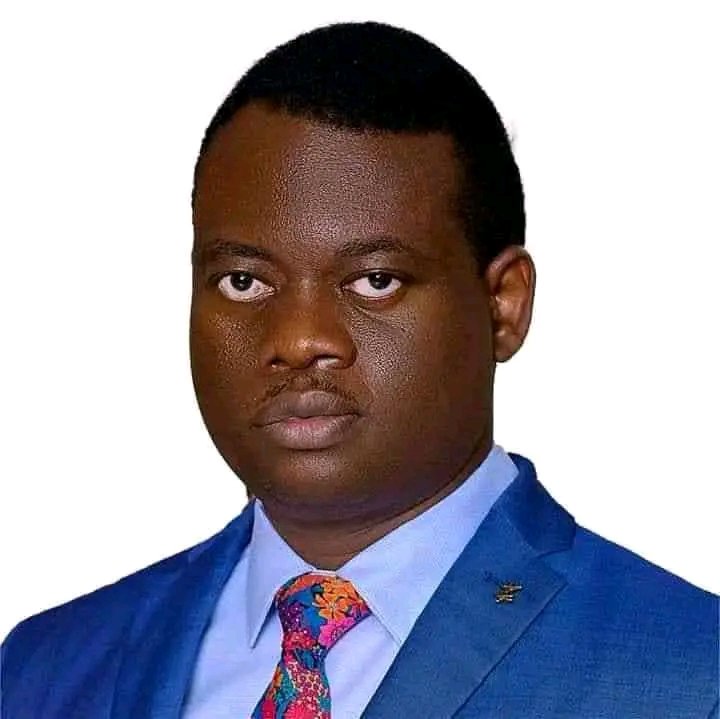
The founder of the Remnant Christian Network (RCN), Apostle Arome Osayi, has addressed the backlash that followed the resurfacing of an old video in which he described Nigeria as a nation with a spiritual calling to revival and not innovation.
The cleric’s remarks have sparked heated reactions on social media, particularly after a short excerpt from one of his teachings circulated online amid an ongoing controversy involving social media activist Martins Vincent Otse, popularly known as VeryDarkMan (VDM).
In the widely circulated clip, Osayi appeared to have said there is no basis to compare Nigeria’s focus on prayer with China’s achievements in manufacturing and technology as nations have different callings. He said while China may be called to lead in engineering and other technological advances, Nigeria’s calling is “revival” and not tech innovation.
The comments triggered criticism from some Nigerians, who questioned how prayer and revival as a national calling can solve Nigeria’s persistent economic, developmental, and security challenges.
The controversy intensified after Osayi announced that he and his wife had secured permanent residency in the United States. Critics quickly used the development to question the apparent contrast between the cleric’s teaching about Nigeria’s spiritual calling and his family’s relocation to the US, a country prioritizing technology and innovation.
Addressing the controversy, Osayi said the viral footage was only a 22-second excerpt from a longer teaching and should not be interpreted independently.
“Every truth exists in a context,” he said, arguing that statements taken out of their original context could give an inaccurate impression of what a speaker intended to communicate.
He said the circulating excerpt does not contain sufficient context for viewers to properly understand the point he was making. Although he acknowledged that he is not immune to making mistakes, he took aim at bloggers and online commentators, accusing them of extracting isolated statements from his teachings in ways that distort their intended meaning.
Context
Many Nigerian’s hold the opinion that religion has had negative impacts on the country, arguing that the country has more churches than factories and that churches emphasize prayers and material giving as primary sources of material prosperity and good health.
Those who hold this view often reference countries like China and Japan as countries that became rich by prioritizing manufacturing, innovation and technology, and not religion.
In response, Osayi had said it was wrong for people to hold that position as nations have their different callings from God. He said while a country like China might be called to be a leader in tech, Nigeria is called to lead global spiritual revival.
The statement quickly drew criticism from Nigerians who argue that spiritual activities should not be presented as an alternative to economic development, technological innovation or effective governance.
Activists like VDM even deployed satire. In one video he reportedly filmed in China, the activist mocked the idea of Nigeria “exporting prayers” while highlighting China’s infrastructure, technology and commercial development.
The controversy has since generated a broader online discussion about the relationship between Christian faith, national development, economic productivity and the responsibilities of religious leaders.