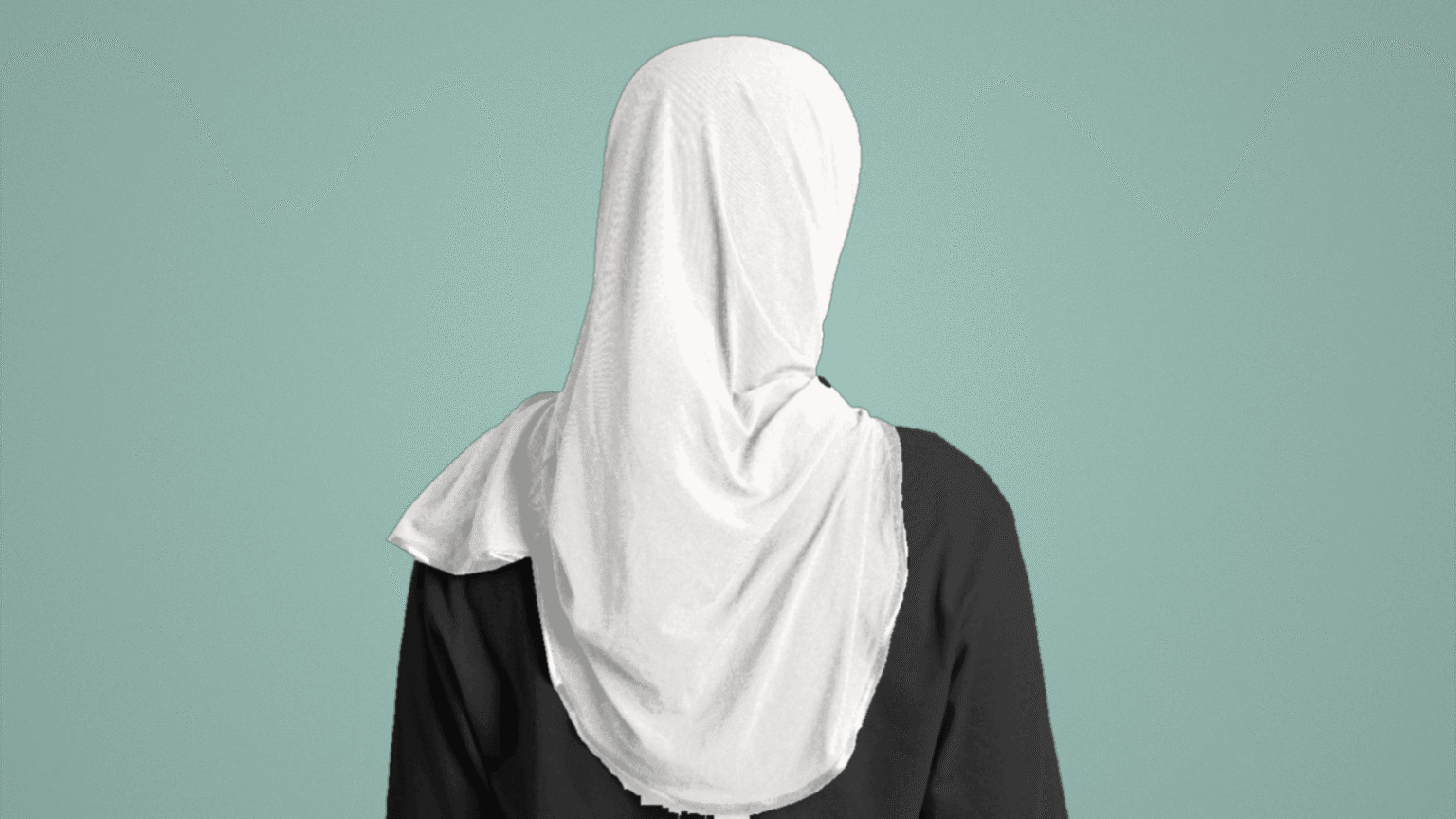
Artificial intelligence tools that can digitally remove the hijab from images of Muslim women are raising concerns over a new form of online harassment targeting women because of their religious identity.
Iman Atta, director of Tell MAMA, a UK organisation that monitors anti-Muslim hate, said manipulating images to remove Muslim women’s religious clothing could cause emotional harm and expose them to further abuse.
“Such acts are another form of gendered harassment and humiliation that seek to cause Muslim women hurt and distress,” Atta said.
“Because the headscarf is worn for religious reasons, these actions fundamentally target their religious beliefs in a deeply personal way, risking the targeting of Muslim women both in and out of public life.”
Her comments followed an investigation by The Guardian which found that some major AI chatbots could remove hijabs from images of Muslim women when instructed to do so.
The newspaper tested ChatGPT, Grok, Gemini and Claude using an AI-generated image of a woman wearing a hijab.
ChatGPT and Grok complied with requests to remove the headscarf. Gemini initially refused but later produced an image without the hijab after being asked to make the woman appear more “Western”. Claude refused to carry out the edit.
The findings came after Julien Odoul, a French politician from the far-right National Rally party, shared a digitally altered photograph of a real Muslim woman in which her hijab and long-sleeved clothing had been removed.
Odoul posted the manipulated image on X alongside the words “LIBERTÉ FRANÇAISE”, meaning “French liberty”.
Beyond removing the hijab
Atta said the concern goes beyond AI tools being able to remove religious clothing from photographs.
Tell MAMA has also received reports of AI-generated content portraying Muslim men and women using racialised and anti-Muslim stereotypes.
“In broader terms, the generative AI content reported to Tell MAMA targets Muslim women and Muslim men in distinct, racialised, and harmful ways,” she said.
According to Atta, Muslim men are frequently portrayed as “criminals, terrorists, or a distinctly foreign threat arriving by boat”, while other material depicts them as cultural threats or dangers to women and girls.
Muslim women are targeted through both their ethnicity and religious clothing, she said.
Tell MAMA has received reports of TikTok accounts using generative AI to depict niqab-wearing Muslim women as cultural threats, including images placing them against white families carrying English or Union Jack flags.
Other AI-generated material has sexualised Muslim women by combining headscarves with tight clothing, while fake interview-style videos have used AI-generated scripts to make Muslim women appear to demand “sharia compliance”, according to Tell MAMA.
Nigeria faces a similar threat
The issue is a prevalent concern in Nigeria where AI-generated images are being used to harass and sexualise women online.
A 2025 report by TechCabal documented cases involving Nigerian women whose images were manipulated with AI tools such as Grok. The report also found that users were prompting the tool to undress women or alter their bodies, with some victims facing humiliation and reputational harm.
In September 2026, Nigerian digital-rights advocates also warned about the growing use of AI, cyberstalking, cyberbullying and impersonation to perpetrate gender-based violence against women.
At a training in Abuja, Evelyn Ugbe, executive director of RAISE Centre, said an AI-enabled tracker had documented about 24,000 human-verified cases of online gender-based violence across five social media platforms.
The Nigerian Data Protection Commission has also joined international data protection authorities in warning about the risks posed by AI-generated images of identifiable people without their knowledge or consent.
In a February 2026 joint statement, the commission said such tools could facilitate defamatory content, non-consensual intimate imagery, cyberbullying and exploitation, and called for stronger safeguards and mechanisms for the rapid removal of harmful content.
In Nigeria, the experiences show that the concern is not only about the manipulation of religious clothing. The problem is how easily a person’s photograph can be taken from the internet and transformed into harmful material without their consent.
Concerns over platform safeguards
Atta also criticised social media companies for relying heavily on automated systems to identify harmful content.
“Current platform safeguards are completely unsuited to tackle this wave of synthetic abuse,” she said.
She argued that automated reporting systems can miss the cultural and religious context behind some forms of abuse, particularly when harmful content does not contain obvious slurs or threats.
“The broader danger is the attempt to go viral with harmful anti-Muslim AI slop, which risks normalising damaging rhetoric and hostile responses toward Muslim communities, including forced removals or calls for violence and abuse,” Atta said.
She called on social media companies to clearly label AI-generated content, simplify their reporting systems and work more closely with organisations that understand anti-Muslim hate.
Atta also urged platforms to involve human reviewers when dealing with reports of religious or cultural abuse.
“This is especially critical because, for many reporting such hate or harmful material online, responses fail to adequately deal with or follow up promptly,” she said.
“Social media must be a safe place for all; social media companies must remember that and ensure a human eye, not software, reviews such reports.” She added.