Nigeria’s Minister of State for Budget and Economic Planning, Doris Uzoka-Anite, has said financial systems designed to meet Muslims’ religious requirements can also serve the wider economy, citing the country’s use of Islamic bonds to finance public infrastructure.
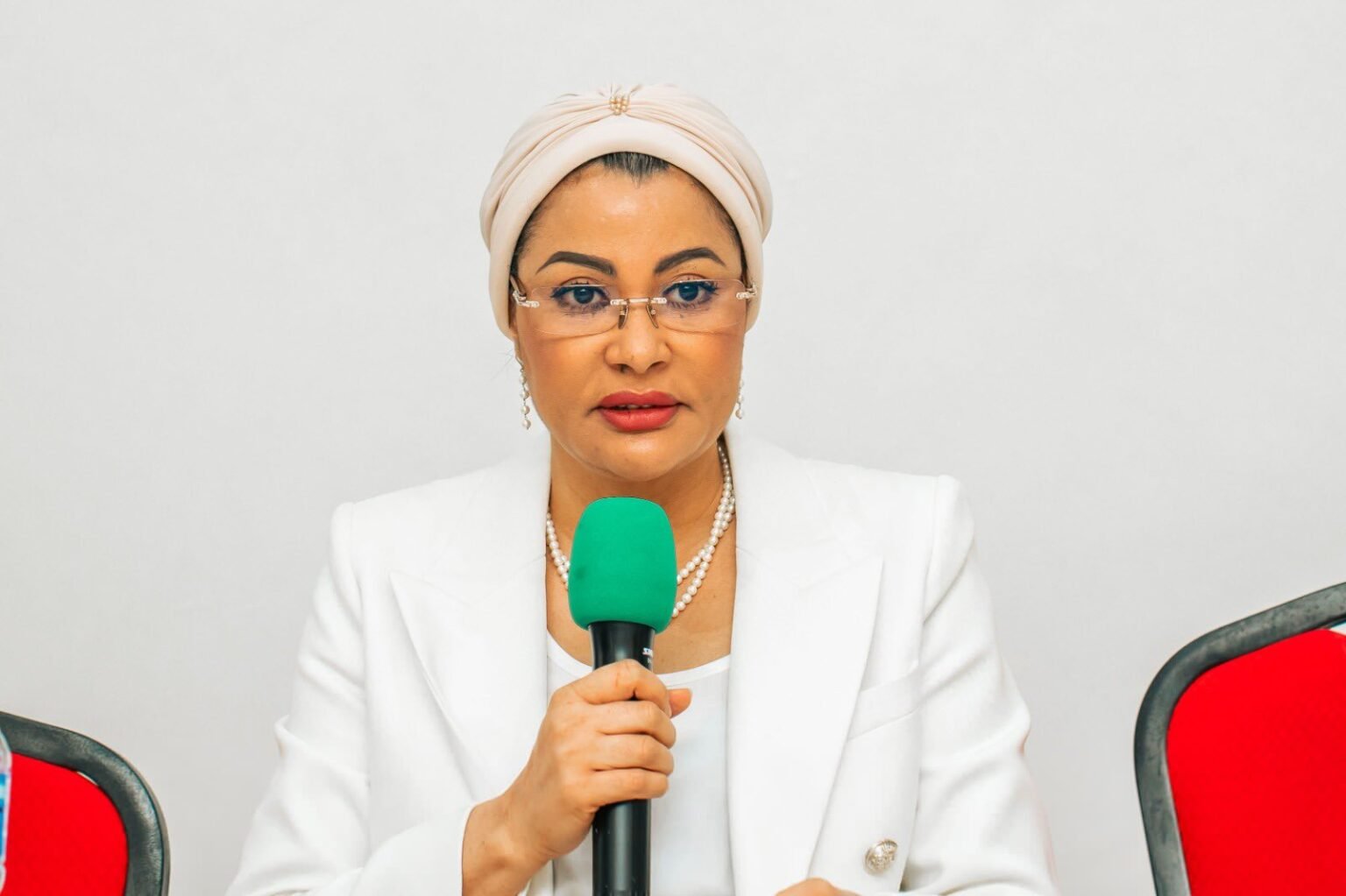
Uzoka-Anite made the remarks on October 13 at the fifth AlBaraka Summit in London, which brought together policymakers, financial experts and Islamic economic leaders to discuss the role of ethical finance in economic development and global financial stability.
The minister said Nigeria’s national sukuk framework had helped fund major public infrastructure projects, arguing that the contribution of a financial system to tangible wealth and the real economy was an important measure of its value.
Sukuk are Islamic financial instruments structured around assets, projects or other permissible economic activities. Unlike conventional bonds, which generally involve interest payments, sukuk arrangements are designed to comply with Islamic financial principles.
Nigeria has used sovereign sukuk to finance the construction and rehabilitation of roads and bridges across the country. The Debt Management Office (DMO) introduced the programme in 2017, initially raising ₦100 billion for 25 road projects across the six geopolitical zones.
Islamic finance operates according to principles that prohibit riba, commonly understood as interest in financial transactions, and restrict certain forms of excessive uncertainty and speculation. Its financial products include sukuk, Islamic banking and investment arrangements designed to comply with Sharia principles.
The AlBaraka Summit, held in London on October 13 and 14, focused on the theme “Ethics in Action: Rebuilding Foundations and Advancing the Global Impact of the Islamic Economy”. Its programme covered financial regulation, ethical investment, social finance, digital transformation and the contribution of Islamic economic institutions to development.