
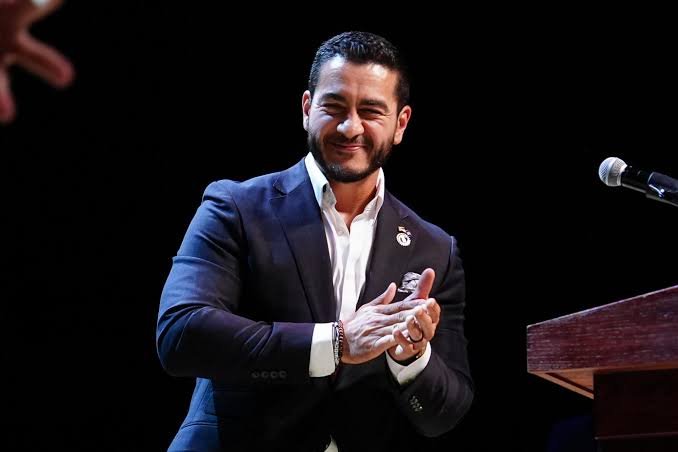
Abdul El-Sayed, a Muslim senator-elect from Michigan, has said he will likely use a copy of the Quran during his swearing-in ceremony in January 2027, in what would mark a historic moment for Muslim representation in American politics.
El-Sayed, who became the first Muslim elected to the United States Senate after defeating Republican candidate Mike Rogers in the November 3 midterm elections, disclosed his plans during an interview with National Public Radio (NPR) host Leila Fadel.
Speaking on NPR’s Newsmakers programme on November 12, the senator-elect said he was considering two copies of the Quran for the ceremony.
One is a copy that belonged to former US President Thomas Jefferson, which was previously used by former congressman Keith Ellison during his ceremonial swearing-in in 2007.
The second option is an ancient Quranic manuscript preserved at the University of Michigan, which El-Sayed described as a very old copy held in the state.
“I will likely swear in on a Quran. Which Quran, we’re not sure,” he said.
El-Sayed also explained that the religious book would not determine his allegiance, emphasising that his oath would be to the US Constitution.
He said his ability to contest and win public office, regardless of his religious beliefs, reflected the constitutional protections that allow Americans to practise their faith.
The senator-elect’s victory has attracted attention because he will become the first Muslim to serve in the US Senate when he assumes office in January.
His decision also recalls the 2007 swearing-in of Keith Ellison, who became the first Muslim elected to the US House of Representatives. Ellison used a Quran belonging to Thomas Jefferson during a ceremonial swearing-in.
The US Senate does not require lawmakers to use a Bible or any other religious text during their oath of office. Senators may hold a religious book or choose not to use one, as the oath is fundamentally a pledge to support and defend the US Constitution.
El-Sayed’s swearing-in is expected to take place in January 2027, following his victory in Michigan’s Senate election.