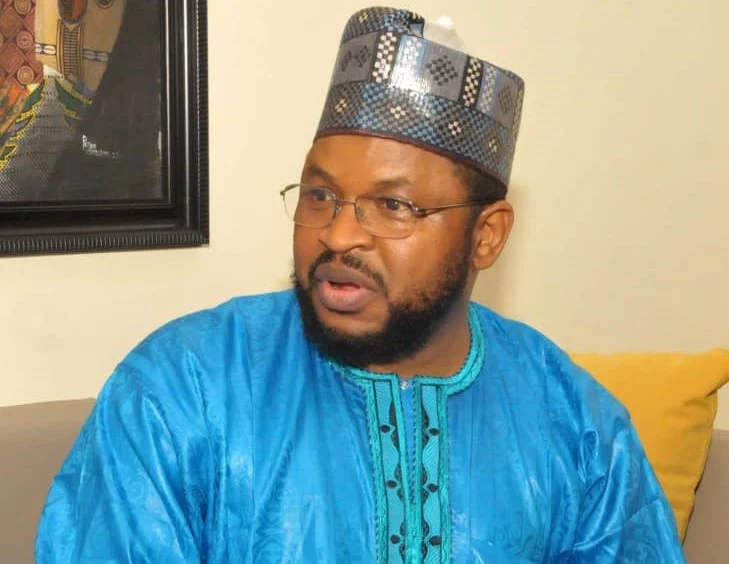
Professor Farooq Kperogi, a Nigerian communication scholar and columnist, has warned that growing religious extremism in northern Nigeria threatens peaceful coexistence. He cited the killing of a Muslim cleric who advocated interfaith harmony and a viral video of children chanting threats against Christians.
In his Saturday, October 31, column titled “The North’s Self-Destructive Religious Extremism,” Kperogi linked the two incidents to the growing influence of religious intolerance in the region.
The cleric, Sheikh Yahaya Ibrahim Masussuka, was killed with his associate, Adamu Abubakar, on October 26 in Dutsin-Ma, Katsina State. Masussuka was known for sermons advocating peaceful relations between Muslims and Christians. The extremist group Ansaru later claimed responsibility, citing his advocacy of peaceful coexistence as a reason, but police had not confirmed the claim.
The video shows young people in uniforms of the First Aid Group of Jama’atu Izalatil Bid’ah Wa Iqamatis Sunnah (JIBWIS), popularly known as Izala, chanting for weapons to attack Christians.
The footage prompted public outrage and the arrest of a 22-year-old man, Umar Ibrahim Gandi Maradun, by the Zamfara State Police Command. Police said preliminary findings indicated the video was recorded on October 23 during a march involving the suspect and pupils from two Islamic schools in Maradun Local Government Area. JIBWIS leadership condemned the video and disassociated the organisation from the alleged statements. Police said investigations were ongoing.
Kperogi said the incidents had no direct causal connection but were linked by an ideology of religious intolerance that threatens both Christians and Muslims who advocate peaceful coexistence.
He recalled that Masussuka had earlier complained of insults and threats from some Izala members over his teachings, and that the matter was referred to the Katsina Emirate Council in November 2025.
Kperogi cautioned, however, against treating every member of the Ahlus Sunnah movement as an extremist or equating Izala with Ansaru, which emerged from the Boko Haram insurgency. The problem, he argued, is the spread of religious interpretations that encourage hostility towards Christians and label Muslims outside particular doctrinal groups as unbelievers. He also questioned how children came to be exposed to messages advocating the killing of people because of their faith.
He called for those who exposed the children to such messages to be identified and investigated, arguing that arresting the person leading the chants would not be enough if others had indoctrinated them. He also urged authorities to investigate Masussuka’s killing, identify those responsible and question those who had threatened the cleric, without presuming they were involved in his murder.
Kperogi said the large crowd at Masussuka’s funeral, including representatives of the Tijaniyya, Qadiriyya and Shi’a groups, showed the continued relevance of the cleric’s message. The most meaningful tribute, he argued, would be for religious leaders to challenge extremist teachings, protect children from violent indoctrination and ensure that those responsible for religiously motivated killings face justice.
Kperogi teaches communication and journalism at Kennesaw State University in the United States and has written extensively on Nigerian politics, media, language and society. He previously worked as a reporter, news editor and features editor at Nigerian newspapers, including Daily Trust, New Nigerian and Daily Triumph.