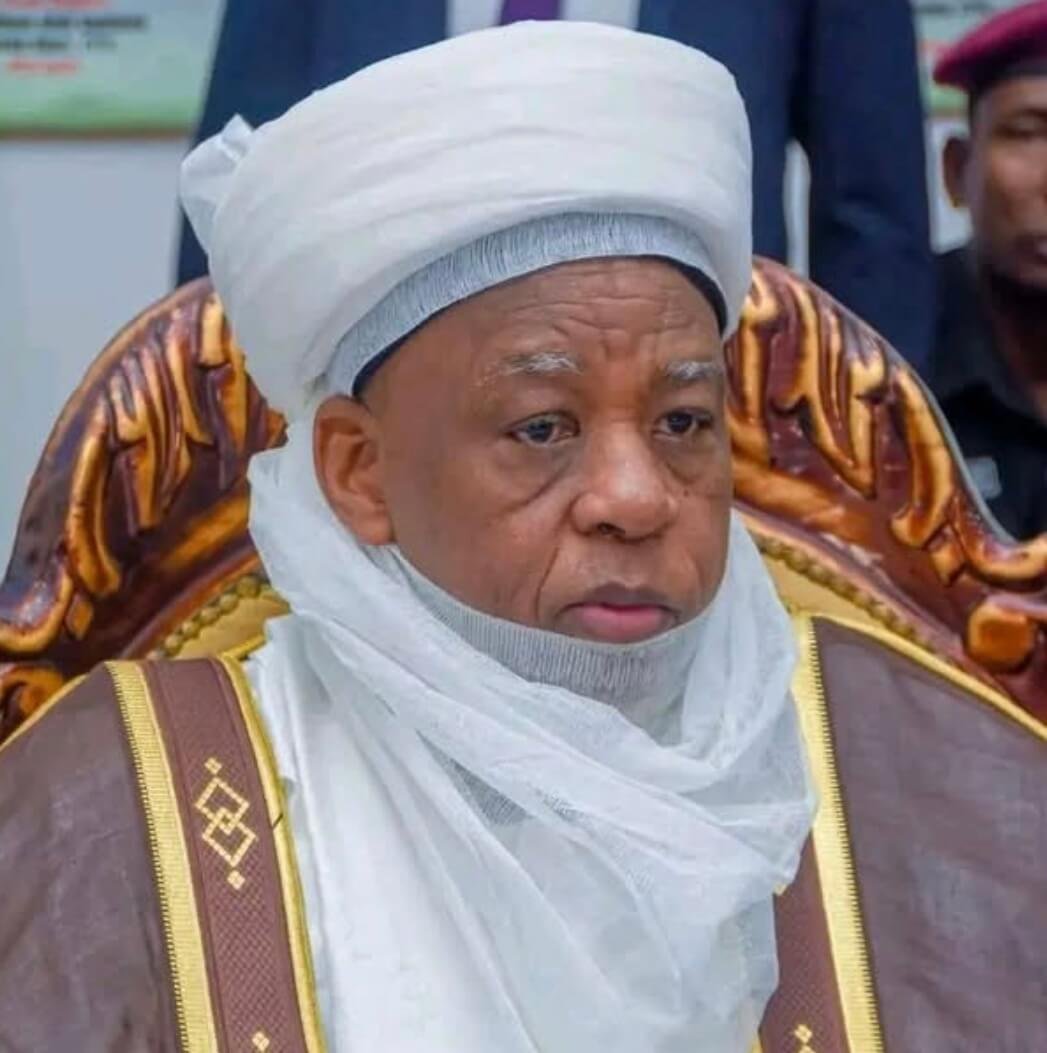
The Sultan of Sokoto and president-general of the Nigeria Supreme Council for Islamic Affairs (NSCIA), Alhaji Muhammad Sa’ad Abubakar, has urged Muslims to protect their right to practise Islam freely while respecting the religious rights of other Nigerians.
The Sultan made the call on Thursday at the NSCIA General Assembly held at the National Mosque in Abuja.
He said Muslims should be allowed to practise their religion without hindrance but stressed that Islam does not support forcing people to embrace the faith.
“We do not intend to force anybody to join Islam,” the Sultan said, adding that people should be allowed to make decisions about their faith voluntarily.
He also urged Muslims to remain united and be proactive in addressing issues affecting their faith and welfare.
The General Assembly, which brought together Muslim leaders and representatives from across the country, was the first such meeting of the council in about seven years.
The Sultan, however, said Muslims must also remain united and conscious of their responsibilities as they respond to challenges affecting the country and the wider world.
“It is coming at a time when we should be attentive, we should be a little more conscious because we all know the situation in the country, the situation in the world, and we Muslims have a lot of roles to play,” he said.
He urged Muslims not to remain passive when issues affecting their faith and welfare arise, but to engage constructively in protecting their religious interests while respecting the rights of others.
The Sultan also called for humility and equality among Muslims, saying all people were equal before God and that piety should be the measure of a person’s worth.
“The best amongst us is he who is most pious,” he said.
The Sultan’s comments come days after religious leaders and civil society stakeholders called for stronger protection of freedom of religion or belief in Nigeria.
On September 24, the executive secretary of the Nigeria Inter-Religious Council (NIREC), Fr. Cornelius Afebu Omonokhua, urged religious leaders to defend freedom of religion and conscience and reject the use of faith to promote hatred and violence.
Omonokhua said people should not be forced to accept another person’s beliefs, stressing that respect for religious freedom was important for peaceful coexistence between Christians, Muslims and people of other faiths.