
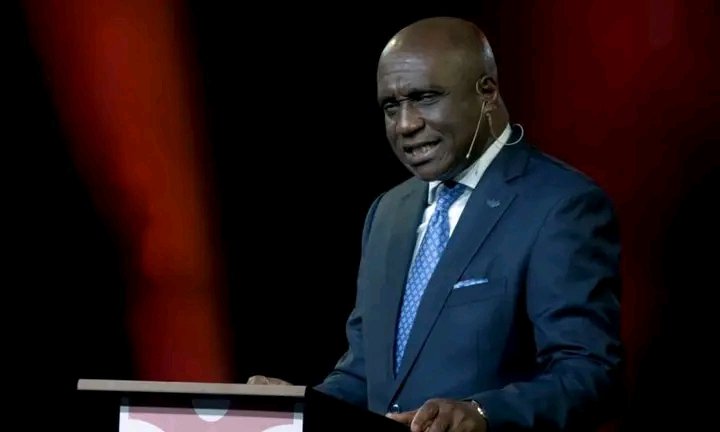
The founder of Salvation Ministries, Pastor David Ibiyeomie, has warned Christians against buying Christmas clothes before paying their tithes, describing the practice as dangerous.
Ibiyeomie gave the warning while preaching during a church service in a sermon video that has since gone viral on social media. “Year is ending, don’t buy Christmas clothes when you have not paid tithe. It’s dangerous. It’s very dangerous,” the cleric said.
He cautioned Christians against diverting money meant for tithes to festive-season expenses, urging them to fulfil their religious obligations before spending on Christmas celebrations.
Furthermore, Ibiyeomie recounted incidents in which vehicles conveying him reportedly suffered tyre bursts, which he attributed to the drivers’ failure to pay tithes. According to the pastor, one of the incidents occurred during a journey in Ibadan, when two tyres reportedly burst.
He said he confronted the driver after discovering that the individual was not paying tithes. The cleric also recounted another incident involving his Rolls-Royce, claiming that two tyres burst while he and his wife were returning from the airport.
He said he subsequently requested that the driver’s records be checked and was informed that the driver was not paying tithes.
Ibiyeomie presented the incidents as examples of what he believes could happen when Christians fail to fulfil their tithing obligations. He urged believers not to attribute every misfortune to the devil, insisting that they should examine their own conduct and religious commitments.
“Pay the correct tithe, so that you don’t blame the devil for what the devil is not responsible for,” he said. The pastor’s claims linking tyre bursts to unpaid tithes were based on his personal accounts and were not independently established.
Ibiyeomie has previously cautioned Christians against neglecting their tithes to finance Christmas celebrations. In December 2021, the cleric warned believers against diverting money meant for tithes to expenses such as clothes, shoes, travel and other festive activities.
He argued that excessive spending during the Christmas season could leave some Christians struggling financially in January, when they would also have to meet obligations such as rent and school fees. The latest remarks have again drawn attention to the relationship between religious giving and personal spending during the festive season.