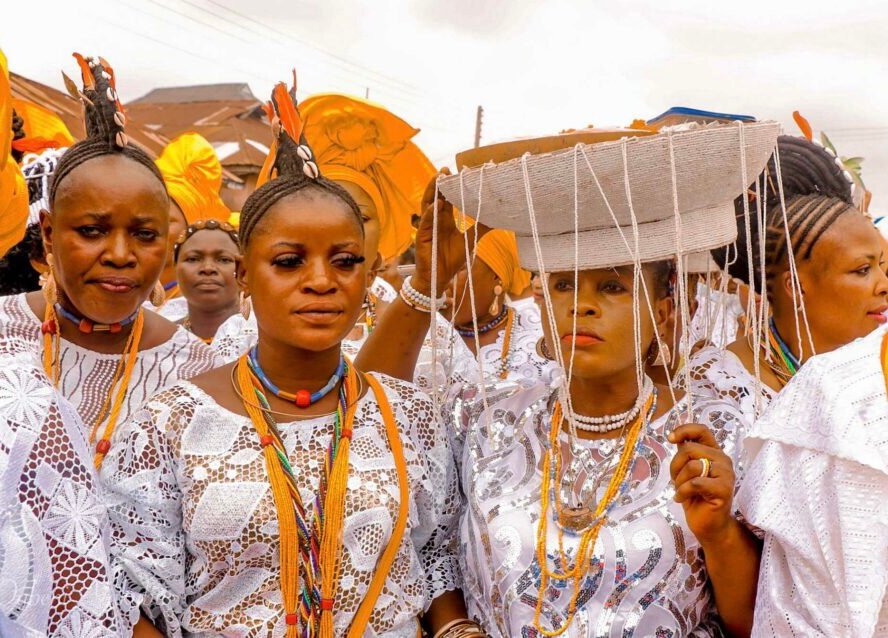
The Association of Traditional Worshippers in Nigeria has called for equal recognition of religious rights at the Nigerian Law School, saying adherents of African Traditional Religion should be allowed to express their beliefs through religious attire.
The association made the demand amid a controversy over the enforcement of the Law School’s dress code during the ongoing Bar Final Examinations and reported calls by Muslim groups for religious accommodation for female candidates wearing hijab.
In a statement released on Monday, the association said it supported the enforcement of established examination regulations but maintained that any religious accommodation granted to one faith should be extended to others.
It argued that if Muslim candidates were permitted to wear hijab during examinations on religious grounds, traditional worshippers should also be allowed to manifest their religious identities without discrimination.
“Our position, however, is founded on the inviolable principle of equality, religious freedom and non-discrimination,” the association said.
It added that religious freedom should not be treated as a privilege reserved for Christianity and Islam while adherents of African Traditional Religion are denied similar recognition.
The association also commended the Nigerian Law School authorities for enforcing its regulations, saying institutions must maintain discipline and apply their rules consistently.
It warned against subjecting institutional regulations to religious pressure or intimidation, arguing that rules should not be selectively interpreted or enforced.
Citing Section 38 of the 1999 Constitution, the association said freedom of thought, conscience and religion applies to all religious beliefs, including indigenous African religious traditions.
It urged the Law School to ensure fairness and impartiality in applying its regulations, saying any religious accommodation should be extended equitably to all recognised religious beliefs.
Alternatively, it said the institution should enforce its dress code uniformly without yielding to threats or intimidation.
The association also called on the Muslim group involved in the controversy to exercise restraint and pursue dialogue through established administrative and legal channels.
It maintained that adherents of African Traditional Religion are entitled to the same constitutional protections as followers of other faiths, adding that no religion should enjoy superior citizenship or constitutional protection in Nigeria.