
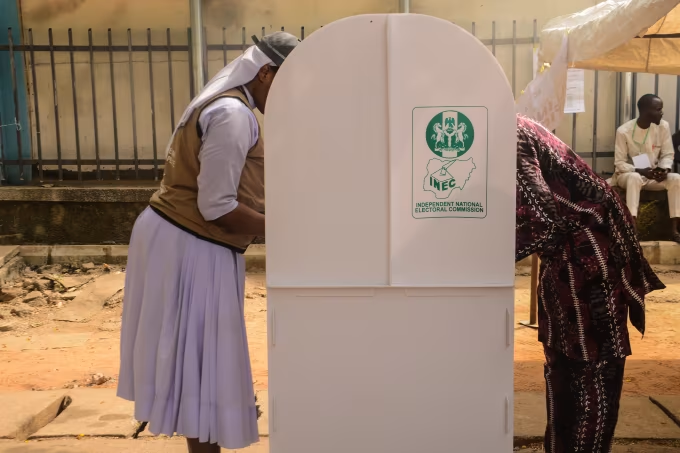
The Council of Ulama in Nigeria has called on Nigerians to prioritise candidates’ character, competence and track records in the 2027 general elections, warning that electing unsuitable leaders could worsen the country’s challenges.
The scholars said the country needed leaders committed to public welfare, particularly as insecurity and economic hardship continue to pose concerns.
The call was contained in a communiqué issued after the council’s annual meeting at the Jama’atu Nasril Islam (JNI) conference hall in Kawo, Kaduna, on October 17.
The communiqué, signed by Professor Muhammad Sadiq Abubakar, secretary-general of the Council of Ulama in Nigeria, urged voters to examine candidates’ records before deciding who to support at the polls.
“The council calls on Nigerians to come out and vote for leaders whose integrity, good character, and competence they have established based on their past records,” the communiqué stated.
The council cautioned voters against allowing financial inducements to determine their choices, urging them to vote for credible candidates regardless of money received from politicians.
“Nigerians should not engage in money politics. Whoever gives them money should be allowed to do so, but they should vote for the right candidate because the money belongs to the people in the first place,” the communiqué added.
Beyond voters’ conduct, the scholars urged political parties to comply with electoral laws and ensure that their campaigns and other political activities remained peaceful.
They warned against actions capable of triggering violence or unrest and called on the Independent National Electoral Commission (INEC) to take measures to safeguard the electoral process.
The council urged the commission to ensure that the 2027 elections are free, fair and credible, stressing the importance of preventing practices that could undermine the polls.
It also called on political parties and their supporters to accept the results of credible elections and allow candidates who emerge victorious through transparent processes to govern.
Addressing the country’s wider challenges, the scholars urged the government to intensify efforts to tackle insecurity, provide support for farmers and reduce the cost of living to ease the hardship faced by citizens.
The council maintained that responsible leadership, respect for the rule of law and credible elections were necessary for justice, peace and national development.