
The Christian Social Movement of Nigeria (CSMN) has urged 13 Christian presidential aspirants to unite and explore the possibility of producing a consensus candidate ahead of the 2027 general election.
The organisation made the appeal through its proposed Christian Political Consensus Project, an initiative aimed at bringing the aspirants together to discuss their political ambitions, identify common interests and consider a coordinated approach to the forthcoming presidential election.
The Chairman of CSMN’s governing council, Sunday Oibe, made the call during a virtual press conference on Monday, October 12, 2026, urging the aspirants to prioritise the national interest over personal ambition.
The organisation identified 13 Christian presidential hopefuls and invited them to participate in consultations intended to strengthen cooperation among them.
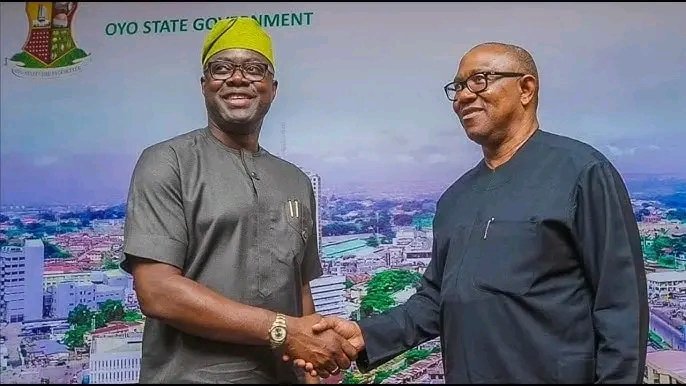
Among the prominent politicians identified on the initiative are former Labour Party presidential candidate Peter Obi, Oyo State Governor Seyi Makinde and former Cross River State Governor Donald Duke.
CSMN argued that allowing individual political ambitions to overshadow opportunities for cooperation could weaken the collective influence of the aspirants and their respective support networks. Oibe noted that only one candidate could emerge as president after the election, making dialogue, mutual respect and a willingness to negotiate essential to the proposed consensus process.
The movement, however, stressed that the initiative was not designed to compel any aspirant to withdraw from the presidential race or surrender their constitutional right to contest. Instead, it invited the politicians to present their policy positions, examine areas of agreement and consider how their political platforms and support bases could be harmonised in the national interest.
The proposal comes amid concerns about insecurity, terrorism, kidnapping, communal violence, poverty and other challenges facing the country.
CSMN maintained that Nigeria requires ethical leadership, stronger accountability and a government committed to protecting the lives and rights of all citizens.
The organisation also warned against political apathy, arguing that disengagement from the electoral process could leave critical decisions concerning security, education, the economy and other national issues in the hands of a limited number of participants.
Oibe called on Christians to move beyond expressing dissatisfaction with the country’s leadership and take a more active role in democratic governance.
The movement further emphasised that political participation should extend beyond the pursuit of public office to include the promotion of justice, constitutional freedoms, transparency and responsible leadership.