
The Nigerian Supreme Council for Islamic Affairs (NSCIA) has rejected claims that Christians are facing genocide in Nigeria, saying the country’s insecurity affects citizens across religious lines.
The council made the position in a communiqué issued after its General Assembly held on October 1 at the National Mosque in Abuja.
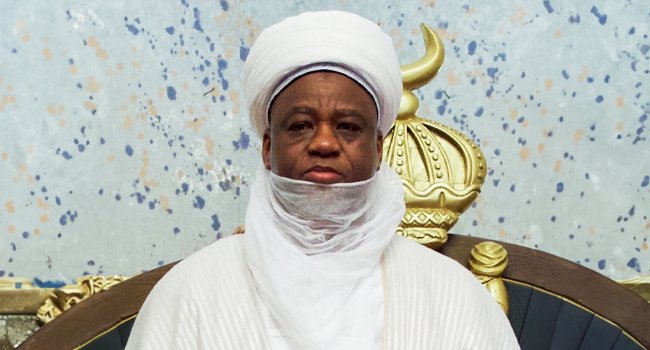
The meeting, chaired by the Sultan of Sokoto and President-General of the NSCIA, Alhaji Muhammad Sa’ad Abubakar, was held under the theme, “Nigerian Muslims and the Imperative of Nation-building.”
The council’s position comes amid renewed debate over the nature of violence in Nigeria, particularly claims that Christians are being systematically targeted because of their faith.
The NSCIA said insecurity should instead be treated as a national security challenge affecting Nigerians regardless of their religion.
It stated that there was “no genocide of Christians or any religious community in Nigeria as claimed in some quarters.”
The council, however, acknowledged the seriousness of the country’s security situation and called for an urgent and comprehensive reform of Nigeria’s security architecture.
It backed decentralised policing but said any such arrangement must be based on professionalism, constitutional safeguards, impartiality, accountability, sustainable funding and respect for fundamental rights.
It also called for effective coordination between federal and state security agencies to ensure that security responses protect citizens without discrimination.
The council’s statement follows continuing concerns over killings, kidnappings, terrorism and communal violence in different parts of the country, including areas where religious identity has sometimes been linked to attacks.
The debate has also attracted international attention, with competing narratives over whether the violence amounts to systematic persecution of Christians or is part of a broader security crisis affecting both Muslims and Christians.
The NSCIA maintained that the focus should be on strengthening the country’s ability to protect citizens rather than deepening religious divisions.
It also urged Muslims to verify information before sharing claims and accusations that could damage the reputation of individuals or further inflame tensions.
Beyond security, the council called on the Federal Government to intensify efforts to reduce the cost of food and transportation, saying economic hardship remains a major concern for ordinary Nigerians.
The NSCIA also urged Muslims to contribute to nation-building and work with other Nigerians towards peace, security and national cohesion.
The council made the position in a communiqué issued after its General Assembly held on October 1 at the National Mosque in Abuja.
The meeting, chaired by the Sultan of Sokoto and President-General of the NSCIA, Alhaji Muhammad Sa’ad Abubakar, was held under the theme, “Nigerian Muslims and the Imperative of Nation-building.”
The council’s position comes amid renewed debate over the nature of violence in Nigeria, particularly claims that Christians are being systematically targeted because of their faith.
The NSCIA said insecurity should instead be treated as a national security challenge affecting Nigerians regardless of their religion.
It stated that there was “no genocide of Christians or any religious community in Nigeria as claimed in some quarters.”
The council, however, acknowledged the seriousness of the country’s security situation and called for an urgent and comprehensive reform of Nigeria’s security architecture.
It backed decentralised policing but said any such arrangement must be based on professionalism, constitutional safeguards, impartiality, accountability, sustainable funding and respect for fundamental rights.
It also called for effective coordination between federal and state security agencies to ensure that security responses protect citizens without discrimination.
The council’s statement follows continuing concerns over killings, kidnappings, terrorism and communal violence in different parts of the country, including areas where religious identity has sometimes been linked to attacks.
The debate has also attracted international attention, with competing narratives over whether the violence amounts to systematic persecution of Christians or is part of a broader security crisis affecting both Muslims and Christians.
The NSCIA maintained that the focus should be on strengthening the country’s ability to protect citizens rather than deepening religious divisions.
It also urged Muslims to verify information before sharing claims and accusations that could damage the reputation of individuals or further inflame tensions.
Beyond security, the council called on the Federal Government to intensify efforts to reduce the cost of food and transportation, saying economic hardship remains a major concern for ordinary Nigerians.
The NSCIA also urged Muslims to contribute to nation-building and work with other Nigerians towards peace, security and national cohesion.